03
Chapter 03 · His Life
Africa:
The Forgotten Continent
Why did Dr. Abdul Rahman Al-Sumait choose Africa?
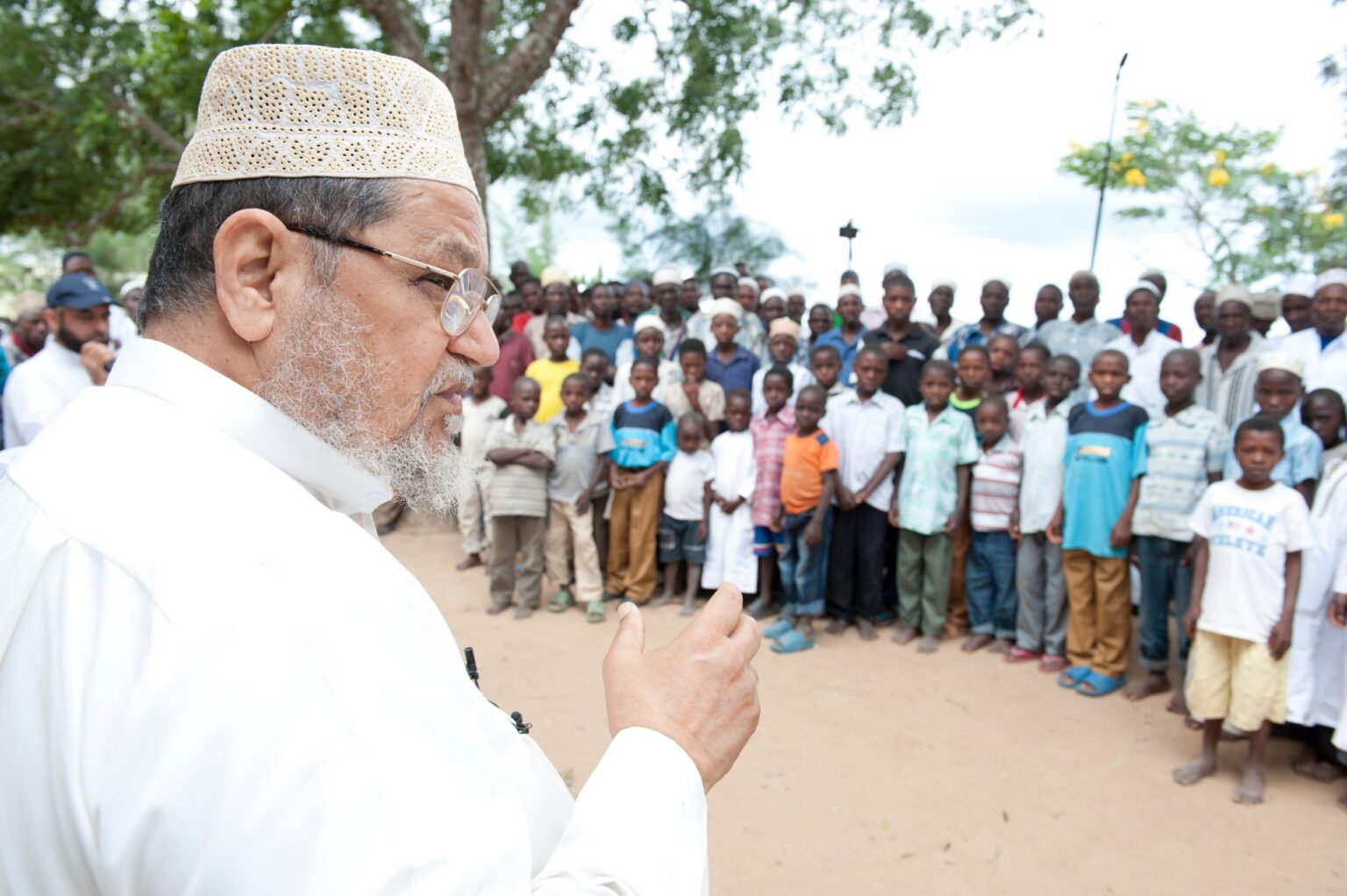
Dr. Al-Sumait among the children of an African village. Photograph: family archive
In Africa, a question struck him like a thunderbolt
How could you leave us, O Arabs and Muslims, and not remember us, until our fathers and brothers died upon Christianity or paganism?
The question put to Al-Sumait by the Muslims of Africa — as recorded in the biography.
The scale of the need
Vast, populous — and left to itself.
Despite this vastness, its callers to good and its people of charity were absent, and so it became — as the biography describes it — “prey to missionary work and the extortion of the church.” Knowledge was absent, so ignorance spread; worship was absent, so superstition spread; and millions sold their faith “for a paltry price” out of dire need. This is the forgotten continent: forgotten not because it is far, but because those able to relieve it were preoccupied elsewhere.
Africa — second in area and in people only to Asia. Malawi, where the journey began, is marked.
30.2M
square kilometres — the second-largest continent on earth
≈ 1 billion
people, as the figure is cited in the source
54%
of Malawians below the global poverty line
Seven reasons converged
What led a Kuwaiti physician into the jungles for thirty years.
01
A dream from childhood
To unite the noblest of callings before God with the most esteemed of professions before people — a wish he carried from his secondary-school years.
02
A specialty chosen for Africa
Tropical medicine at Liverpool: leprosy, cholera, malaria, typhoid, bilharzia, sleeping sickness — the diseases of the continent itself.
03
Malawi, and what he saw there
A mosque to build for a benefactress who hid her name — and millions dying of hunger, poverty, ignorance and disease.
04
A continent no one remembered
Second-largest on earth, approaching a billion people, and its callers to good absent from it.
05
The question that broke his heart
“How could you leave us, O Arabs and Muslims, and not remember us?”
06
A vacuum filled by missionaries
Campaigns exploiting poverty and need — answered not with chaos, but with scientific planning and follow-up.
07
A soil fertile for good
Simplicity, justice, and no racial discrimination — hearts “like fertile soil, in which crops grow with the least rain.”
Dr. Abdul Rahman Al-Sumait’s choice of Africa was no passing coincidence, nor the whim of an eager young man. He could have remained a distinguished physician in the finest hospitals of Canada, Britain, and Kuwait, and won wealth and fame “with the least effort.” Yet he chose instead to go to “lands where none knew him but his Creator and theirs.” So what drove a man of his learning and standing into the jungles of the dark continent for more than thirty years? Here we trace the reasons, as documented in his biography and his own words.
1 · A dream that settled in his heart from childhood
As a child, Abdul Rahman Al-Sumait wished to become a doctor. As he grew, that wish widened to unite “the noblest of callings before God” — the call to Islam (da’wah) — with “the most esteemed of professions before people” — medicine. His desire to work in Africa was not born in a moment; it remained his dream from his secondary-school years.
From his youth he was marked by practical outreach and action on the ground — from buying a car to carry the poor who had no transport, to distributing Islamic booklets — “but that did not heal what ailed him, nor quench his thirst,” and his soul, longing to do good, kept waiting for the greater work that could absorb all that overflowed within him.
2 · A doctor who chose his specialty for Africa’s sake
Among God’s providence for this man was that his very medical specialty was tailored to the continent’s need. He traveled to study tropical medicine at the venerable University of Liverpool — a field concerned with the diseases of hot, tropical regions: leprosy, cholera, malaria, typhoid, bilharzia, sleeping sickness, and amoeba — the very diseases widespread in Africa, where “social and economic conditions are dire.”
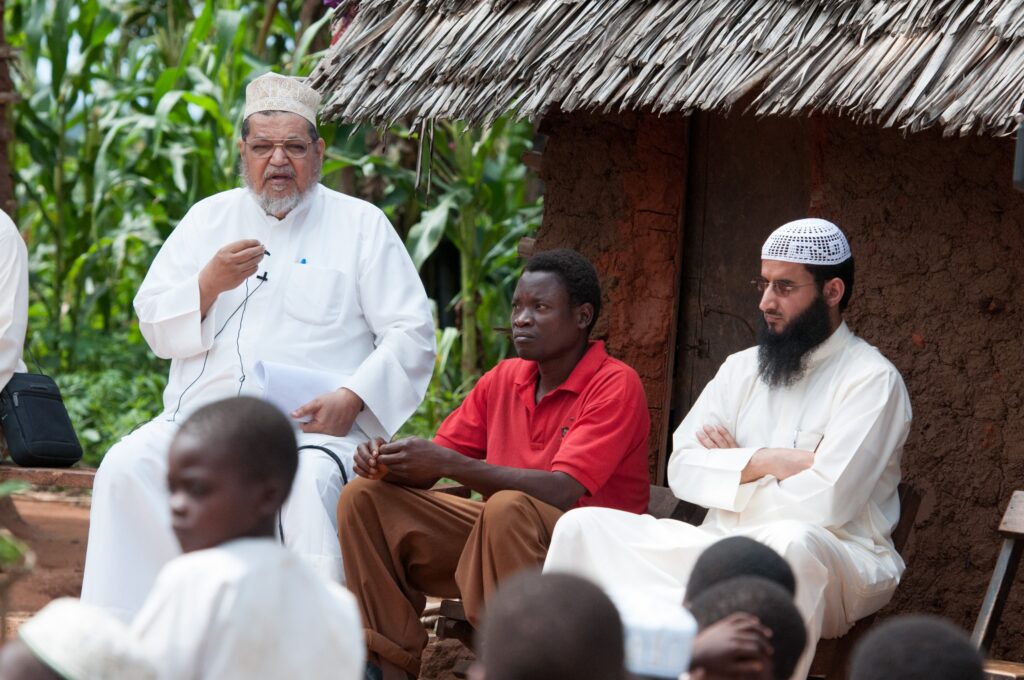
His medical training and his deep knowledge of the health problems of those stricken regions had a great impact on his relief work over thirty-four years. For him medicine was never an end in itself, but a gateway to charitable work and da’wah.
3 · The gateway: Malawi… and what he saw there
His launching point was not a country he had often visited or knew much about. The opportunity came when he was destined to travel to carry out a project to build a mosque for a Kuwaiti benefactress — “Aunt Umm Ali,” who concealed her name seeking the reward of hidden charity — and so the Republic of Malawi, the landlocked country in southeastern Africa, became the first stop on his African journey.
There he saw with his own eyes what he had never imagined: millions of people dying of hunger, poverty, ignorance, and disease, living on the aid of missionary expeditions. Al-Sumait returned from Malawi “not as he had left”; his soul was wholly consumed by those kind, dark faces “filled with pain, reproach, and blame toward the Muslims.”
4 · The forgotten continent: the scale of the need
Africa is the world’s second-largest continent in area and population after Asia, spanning roughly 30.2 million square kilometres, with a population approaching one billion. Yet despite this vastness, its callers to good and its people of charity were absent, and so it became “prey to missionary work and the extortion of the church.”
5 · The question that changed his life
In Africa, Al-Sumait faced a question that struck “like a thunderbolt upon his ears” from the Muslims there. It was as if he sensed behind it a greater question: why were they left to return to disbelief? Do you lack money? God has blessed you with riches. Or do you lack knowledge? Among you are those who memorize the Qur’an and scholars of exegesis and jurisprudence. Do you want armies? No; these Africans are “kind-hearted like fertile soil… they want nothing but a tender heart and a merciful breast.” Here his heart broke, and “he devoted himself” to this trust.
6 · The vacuum filled by missionary work
The doctor knew what Africa’s Muslims suffered from missionary campaigns exploiting poverty, need, and ignorance to strip them of their Islamic identity. Among his observations in Canada was that a single high-school graduate brought forty-two people to Islam in a single month — so he became certain that receptiveness to Islam in Africa was immense, but that it needed scientific planning, not chaos: focusing on specific regions and following up with new Muslims through established centres, rather than scattering effort everywhere.
He chose Africa as his field because there the need was greatest, the vacuum widest, and the opportunity largest.
7 · A soil fertile for good
His choice of Africa was the choice of a heart that saw in it an innate readiness for good. For the simplicity and ease of Islam’s teachings, its justice and equality among people, and its abhorrence of racial discrimination — “the complex of the Africans” — made it closest to hearts “like fertile soil, in which crops grow with the least rain.” This good soil, in his eyes, deserved that a lifetime be spent for it.
In the margin
Tropical medicine طب المناطق الحارة
The branch of medicine devoted to the diseases of hot regions — malaria, cholera, leprosy, bilharzia, sleeping sickness. Al-Sumait read it at the University of Liverpool.
Da’wah الدعوة
The call to Islam. In his usage it is inseparable from relief: a well dug, a school raised, a patient treated.
Missionary work التبشير
Organised Christian mission in Africa. The biography describes campaigns that met poverty and ignorance with aid tied to conversion.
The first stop
Malawi — where the journey began.
A few figures about Malawi are enough to explain why it was chosen as the gateway to the continent — and its condition today differs little from yesterday.
Among the least developed countries in the world, and on the list of the poorest 25 nations.
Life expectancy among the lowest in the world — 40 to 45 years, against roughly 67 globally.
More than 54% of the population below the global poverty line, and one of the lowest per-capita incomes in the world.
Figures as cited in the source.
One indicator, two worlds
Life expectancy — Malawi against the world.
Malawi
45
World average
67
Years of life expected at birth, as the figures are cited in the source — owing to widespread poverty, hunger, and epidemics.
From the field
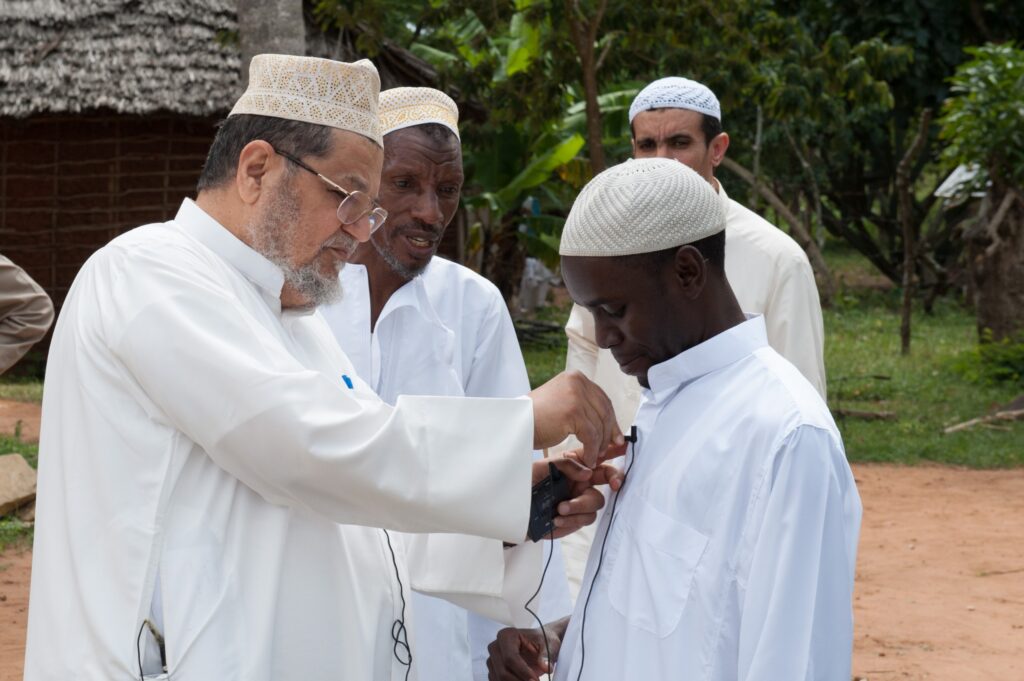
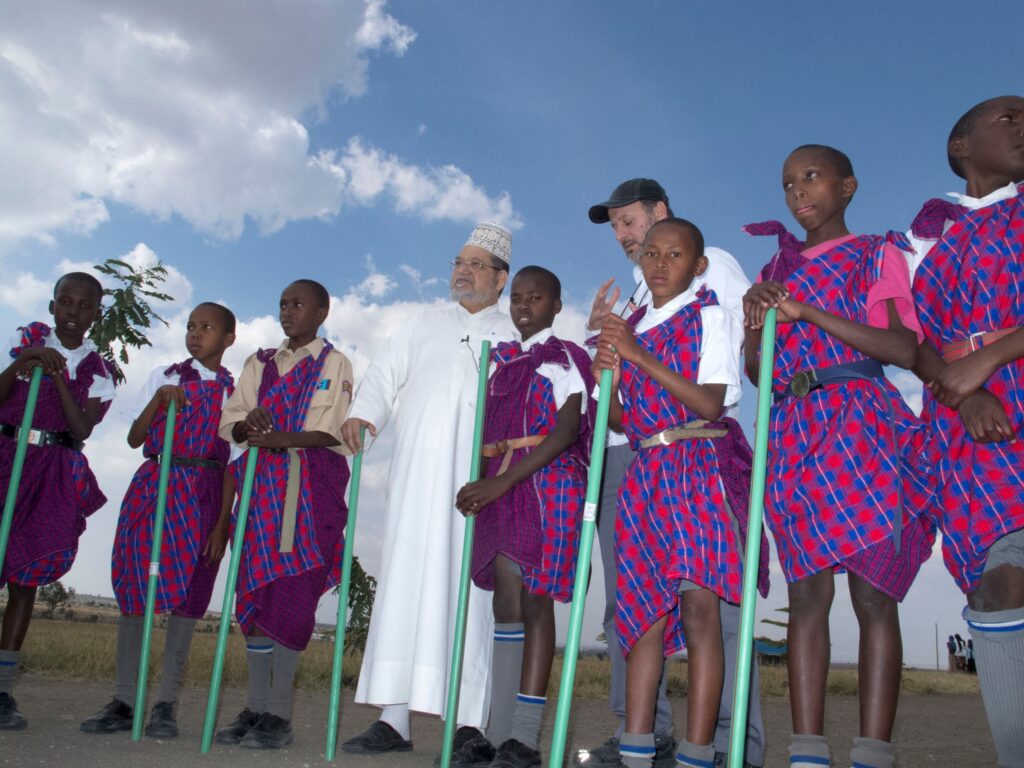
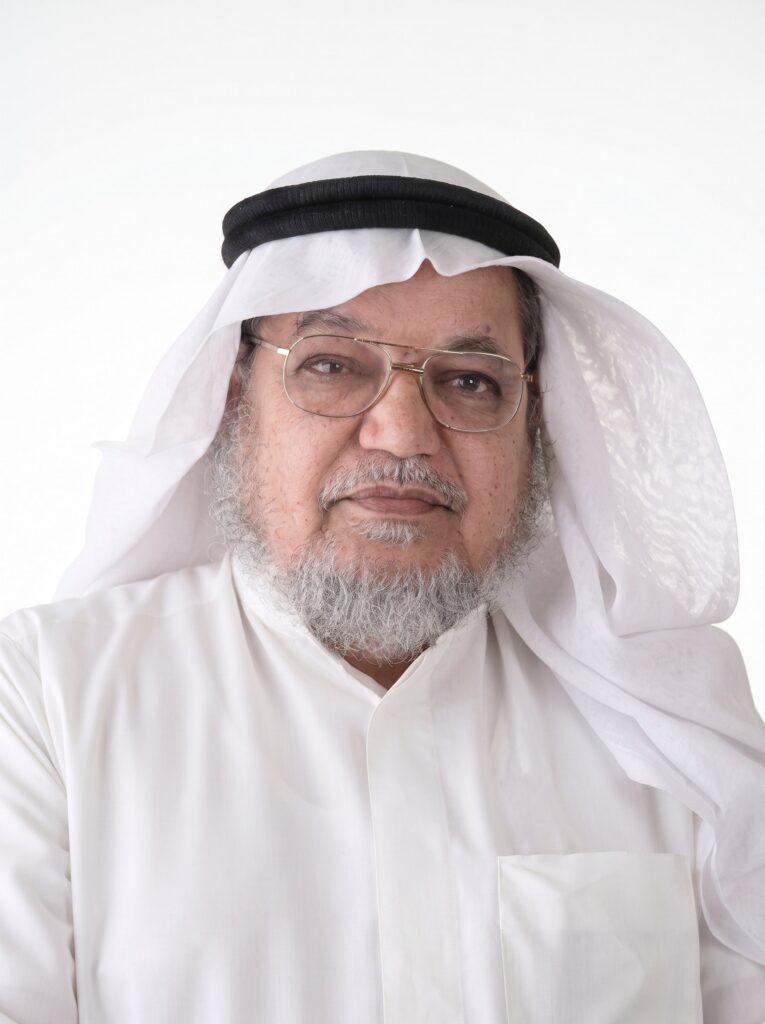
On every journey of mine to any of the continent’s countries, my conviction deepens that Islam is not merely the closest to the souls of its peoples, but is their innate religion — even if they profess Christianity.
Dr. Abdul Rahman Al-Sumait
He did not go seeking money or status; rather “he chose to go to lands where none knew him but his Creator.” So he dug wells, raised orphans, built schools and mosques, and crossed hundreds of miles through the jungles — until he earned, by full merit, the title “Abdul Rahman the Conqueror,” the second conqueror of Africa.
Previous
02 · His Studies and His Work
Sources
This material is drawn from the documented biography of Dr. Abdul Rahman Al-Sumait in the project’s reference book, including what was quoted from: Al-Kawthar magazine, which the doctor supervised (No. 71, September 2005; January 2006; August 2006; January 2005) · Relief Work in the Life of Dr. Abdul Rahman Al-Sumait and its Effect on the Acceptance of his Call, Ali Muhammad Al Hasan Al-Shahri · Islam and Muslims in Central Africa, Dr. Nawal Abdul Aziz Radi.
Editorial note: the statistical figures (continental population, Malawi indicators) are cited as they appear in the source. Sources and method →