08
Chapter 08 · His Life
He thought he
had fallen short
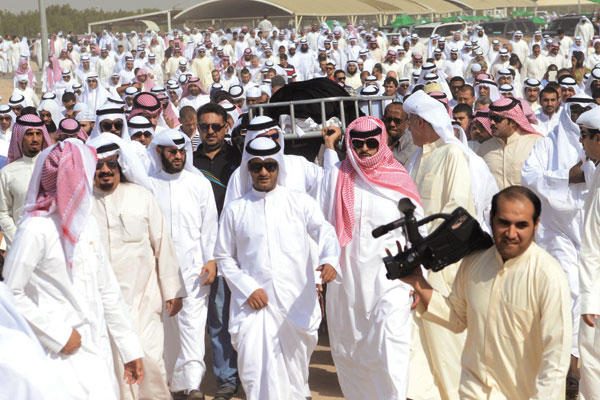
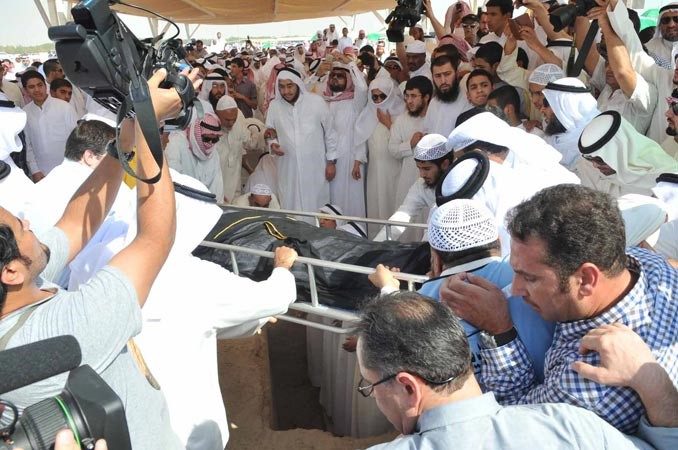
He died in Kuwait on Thursday 15 August 2013, of cardiovascular disease, at sixty-five. He was buried the next day at Sulaibikhat, and the crowd that came to bury him included men who had flown in from countries most Kuwaitis could not place on a map. Nobody had to be told who he was. Thirty-four years earlier he had gone to Africa as a doctor with no institution behind him; by the time his own body failed, the work he left behind was running in more than forty countries without him.
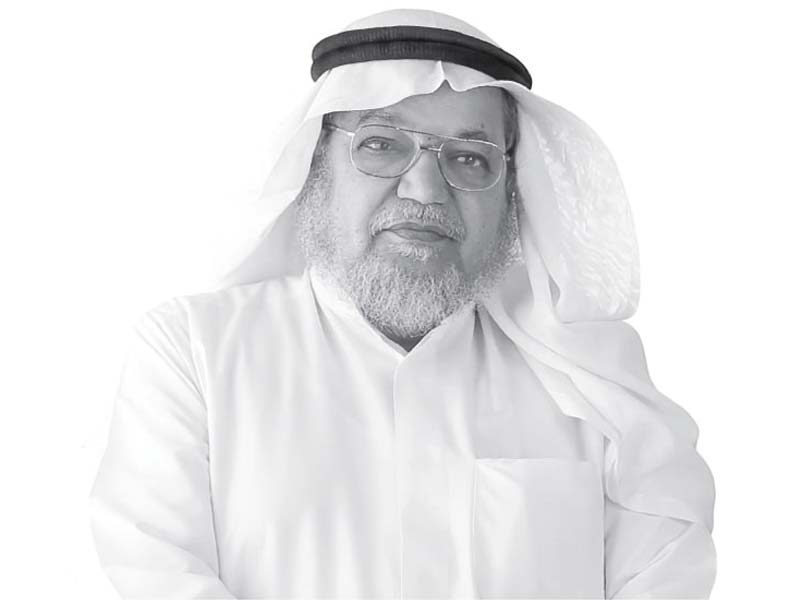
15 Aug 2013
Thursday · 8 Shawwal 1434
65
years old
16 Aug 2013
buried at Sulaibikhat
34
years of work behind him
The body he worked with
He was a physician, so the plainest way to say it is the way a physician would. This is what the record holds — most of it from the reference biography’s chapter on his steadfastness, the rest from the Arabic record of his last years.
- Malariatwice, contracted in the field
- Three clotstwo in the heart, one in the brain
- Diabetesfive insulin injections a day
- Retinal haemorrhagetreated in Kuwait — there was nowhere in Africa to treat it
- Fracturesthigh, ribs and skull — relief work in Iraq
- Blood pressure, cholesterolthrough the last two decades of travel
- Kidney failuredialysis, at the end
He kept travelling through all of it. The book’s word for how he met it is muhtasiban — patient, and counting the reward.
The list is the point. He was ill for most of the years he was building, and he did not stop.
The Ruler of Ajman, Sheikh Humaid Al-Nuaimi, told him he had done enough, and should rest.
“By God I have fallen short in Africa. I have fallen short, Sheikh. I have fallen short.”
He left the room weeping · as told by Dr Khalifa Al-Shaali · reference biography, p. 176
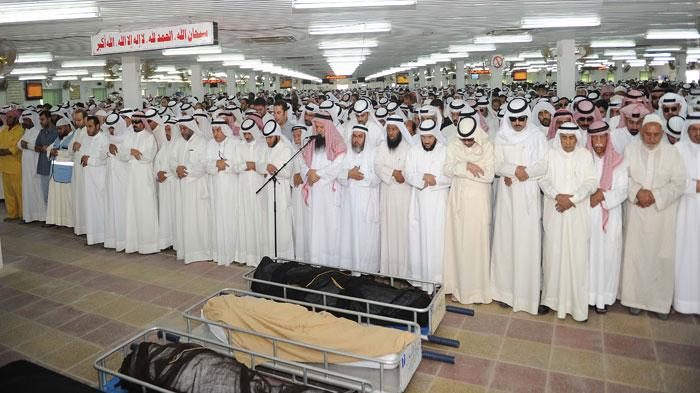
The day, and the day after
- Thursday 15 August 2013He dies in Kuwait after a long illness. Cause given: cardiovascular disease.
- The same dayThe Amir Sheikh Sabah Al-Ahmad sends a telegram of condolence to the family, as do the Crown Prince and the Prime Minister. The Speaker of the National Assembly announces the death to the house.
- Friday 16 August 2013Burial at Sulaibikhat cemetery, Kuwait.
- 17–20 August 2013The Kuwaiti press carries the tributes: Al-Qabas, Al-Anba, Al-Rai, Al-Nahar, Al-Watan.
- 23 September 2013Valerie Amos, the UN humanitarian chief, sends condolences.
- November 2013At the third Arab-African Summit in Kuwait, a prize in his name is announced: one million dollars a year, in food security, health and education.
Sulaibikhat · Friday 16 August 2013
What was said — four of them
“Some men die and the nation is relieved. Some men die and the nation weeps for them. Dr Abdul Rahman Al-Sumait was of the second kind.”
Jamal Al-Shatti · Islamic Presentation Committee · Al-Nahar, 18 August 2013
“The water is running for whoever wants to drink, the medicine is there for whoever needs it, the schools and the universities are open.”
Dr Abdul Rahman Al-Muhailan · President, Direct Aid · Al-Qabas, 17 August 2013
“I slept beside him on bare ground, and we fed the children of Kenya in the famine a rescue soup of flour and water and oil.”
Walid Ibrahim Al-Ahmad · travelled with him · Al-Rai, 17 August 2013
“A humanitarian legacy that will go on making a great difference in the lives of the poor.”
Valerie Amos · UN Under-Secretary-General for Humanitarian Affairs · Al-Rai, 23 September 2013
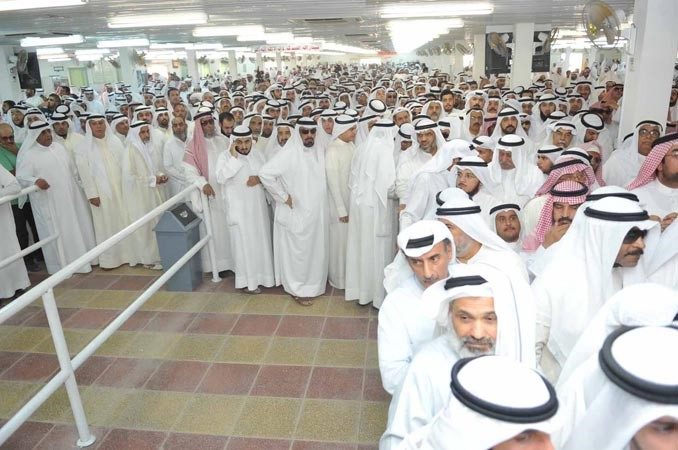
The tributes ran for weeks. They are collected on What they said of him →
قَدْ ماتَ قَوْمٌ وَلَمْ تَمُتْ مَكارِمُهُمْ … وَعاشَ قَوْمٌ وَهُمْ في النَّاسِ أَمْواتُ
“Men have died whose good did not die with them; and men live on who are dead among the living.”
What did not stop
He had spent thirty years making sure the work did not depend on him. That was the point of the committee, of the university, of the endowments, of training Africans to run their own offices. The test came on 15 August 2013, and the answer is in the record: the wells did not stop running, the schools opened again in September, and the organisation he founded went on working in more than forty countries.
Three months after he was buried, a prize in his name began paying a million dollars a year to people still doing the work.
He died certain that he had fallen short.
He is the only one who thought so.
Donations are handled by Direct Aid Society. This site does not collect donations.
← Previous · Chapter 07
Next →