العون المباشر
His Life — Chapter 04 of 08
Africa Muslims Committee
from one mosque to forty countries
The charitable and da’wah institution that began from a single mosque in Malawi — known today as the Direct Aid Society.
Origins
One mosque, three names
The spring it gushed from
It was born from a small cornerstone — the mosque of the benefactor “Umm Ali” in Malawi, which the biography calls “the spring from which an immense energy for good gushed forth.” On its foundation Dr. Al-Sumait established the first organized framework for his work, and the name kept widening with the work itself:
| I | Malawi Muslims Committee — the first organized framework |
| II | Africa Muslims Committee — broadened to the whole continent |
| III | Direct Aid Society — the institutional identity it holds today |
Mission
Charity and da’wah, through projects
Relief of bodies, revival of hearts
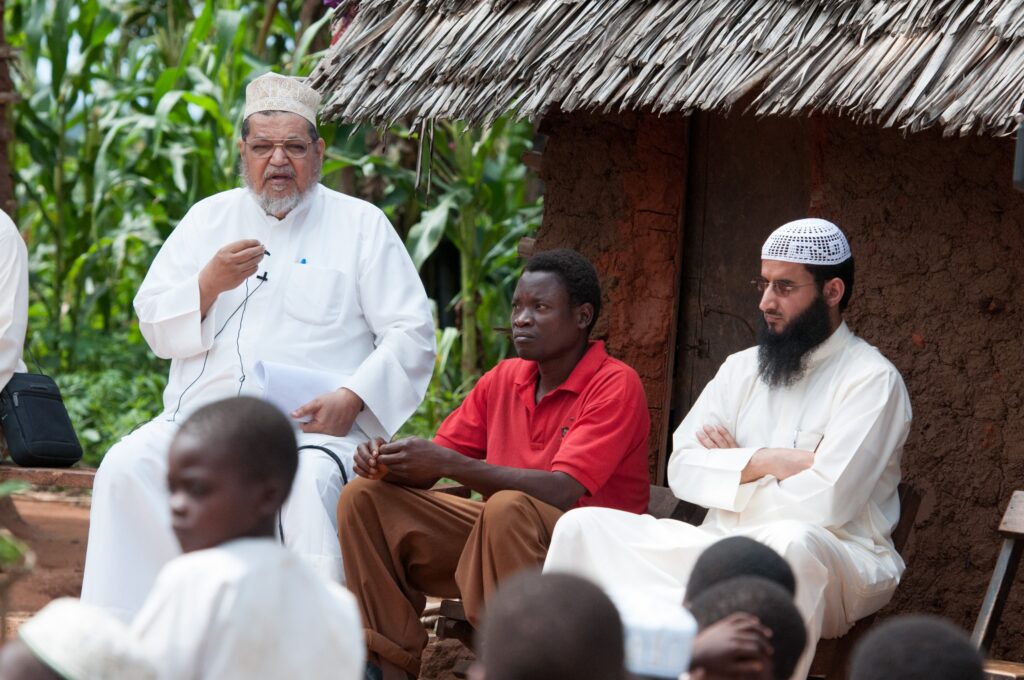
Never merely a relief agency, nor a da’wah body set apart — it combined the two in a single practical philosophy: making acts of good a doorway to the heart. Orphan care, schools, vocational training, clinics and wells were the practical application of a mission that holds that meeting people’s needs curbs the environment in which hunger, disease and fear multiply.
Our work is charitable and da’wah-oriented, through projects.
The motto of its fieldwork
Method
Wisdom · integrity · law · shura
What it refused to lose
We have lost nothing since we took the path of da’wah through wisdom and fair exhortation, rather than methods of harshness.
From the Committee’s record, as the biography preserves it
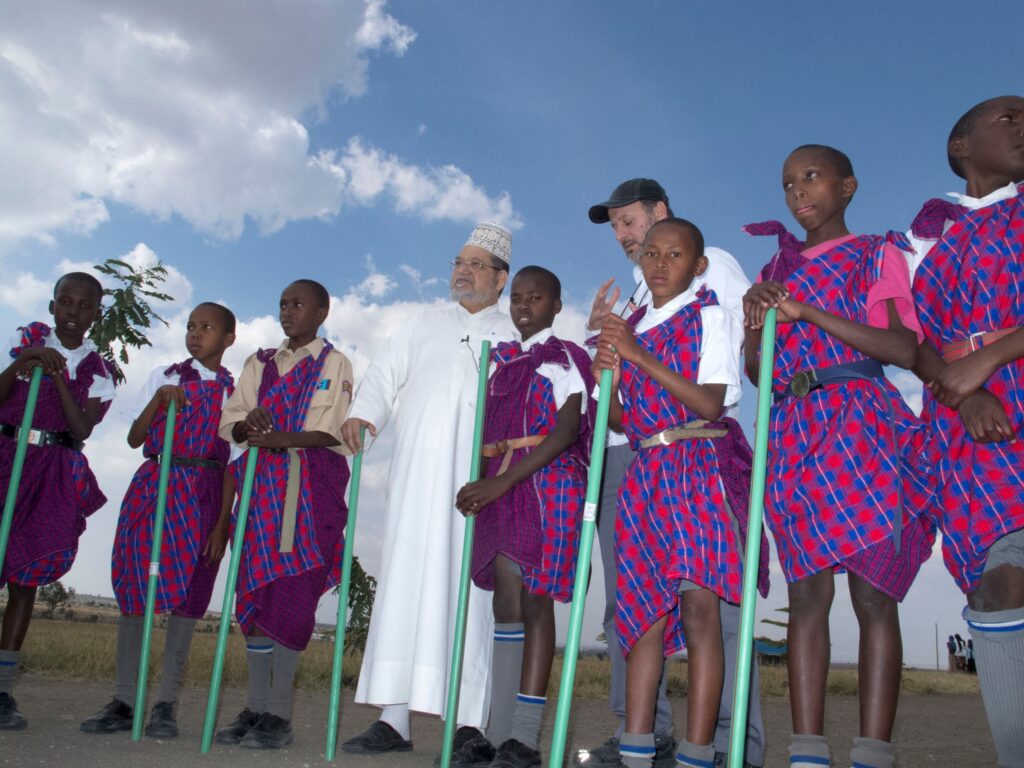
Its representatives insisted on delivering each displaced person’s share in full — what is given to families is “a trust that must reach those who deserve it in full” — to the astonishment of officials and tribal chiefs. It abided by the laws of every country it worked in, even those that restricted it. And from the first moment the work was collective: elders and community notables helped run its centers.
Reach
Forty countries, and counting
An institution, not a man
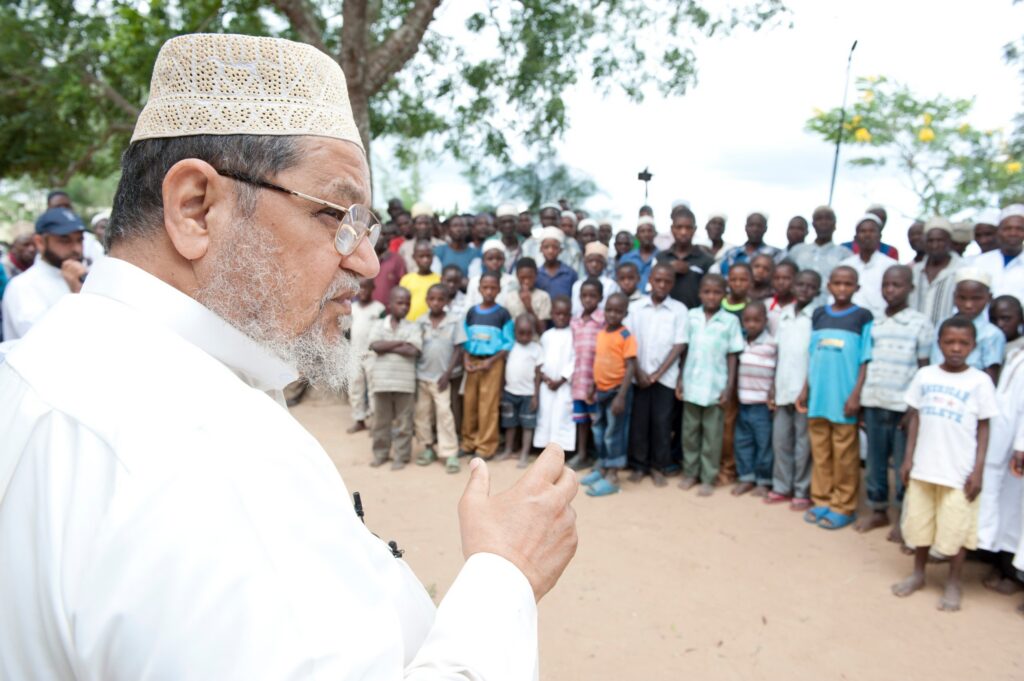
From Malawi its work extended to more than forty African countries — Sudan, Somalia, Gambia, Madagascar, Benin, Kenya and beyond. A board of directors and a board of trustees were formed as early as 1994; when the founder left its management in 2008, the work continued without interruption.
860+
educational facilities — and 4 Islamic universities
8,600+
water wells drilled
5,700+
mosques built, in 40+ countries
40+
African countries with offices, centers, schools and orphanages
Eight departments, one mission
The fields its work is organized into — each a doorway to the same end.
Da’wah and Culture
Orphan Care
Education
Health
Water
Mosque Building
Disaster Relief
Media
From the field
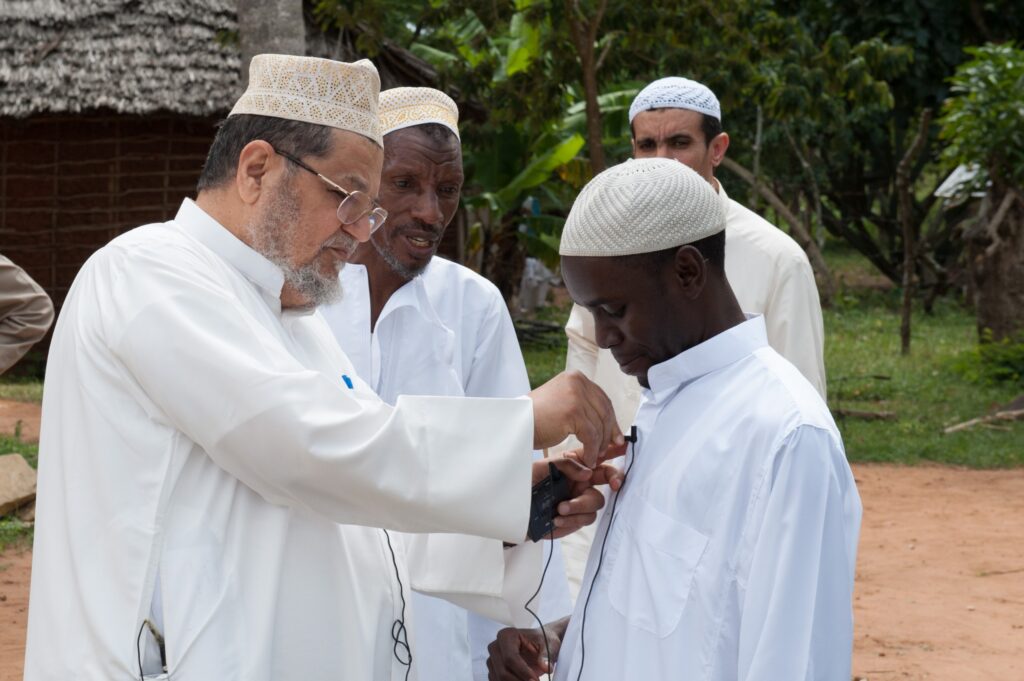
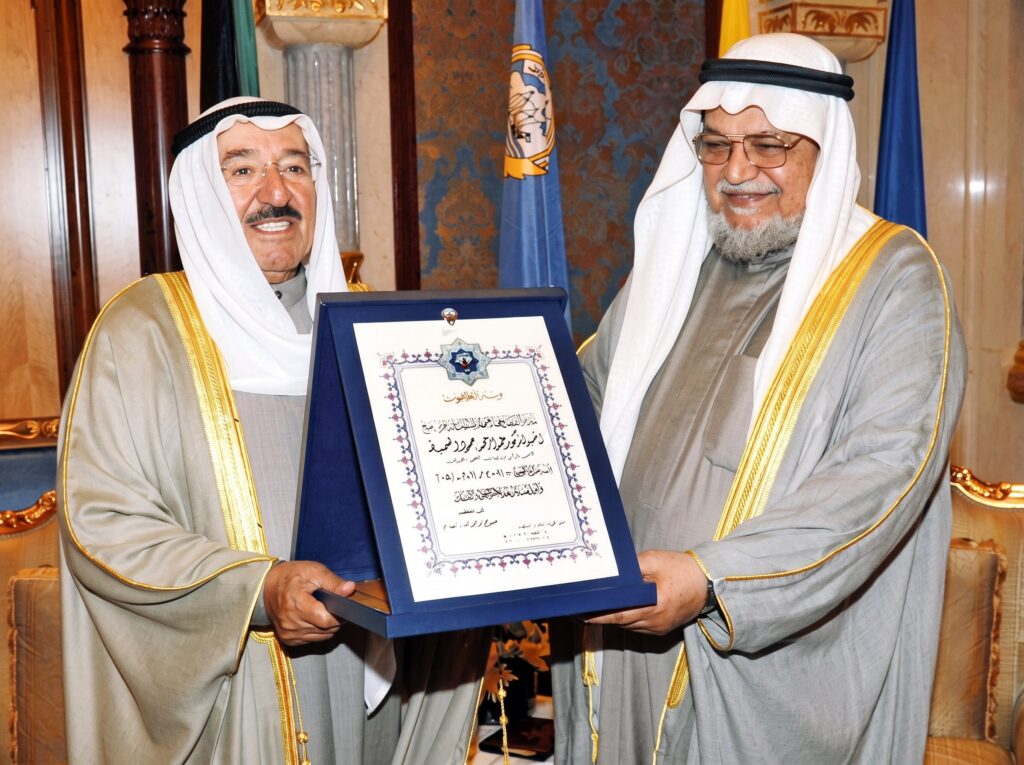
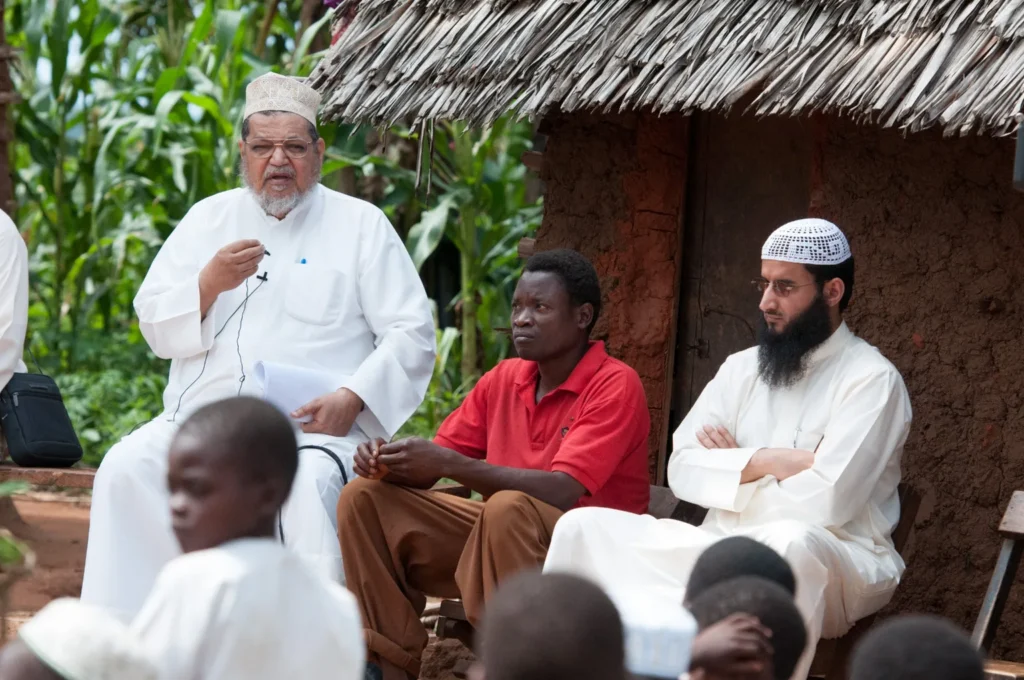
From the Direct Aid archive — shown as archived, without restoration.
Previous · Chapter 03
Next · Chapter 05